Choosing the Right Roofing: Key Considerations for Homeowners

When it comes to home improvement, few decisions are as critical as selecting the right roofing material. The roof is not just a protective barrier against the elements; it also plays a significant role in your home's aesthetic appeal and energy efficiency. With a myriad of options available, homeowners often find themselves overwhelmed. This guide will help you navigate the key considerations in choosing the right roofing for your home.
Understanding Your Roofing Needs
Before diving into the various roofing materials, it’s essential to assess your specific needs. Consider the following factors:
Climate
Your local climate significantly influences the type of roofing material you should choose. For instance:
Hot and Sunny Climates: Materials like tile or metal reflect sunlight and keep your home cooler.
Cold and Snowy Climates: Asphalt shingles or metal roofs can handle snow accumulation and ice.
Rainy Areas: Look for materials that are waterproof and can withstand heavy rainfall, such as slate or metal.
Budget
Your budget will play a crucial role in your roofing decision. Here are some common roofing materials and their approximate costs:
Asphalt Shingles: $90 - $100 per square (100 square feet)
Metal Roofing: $100 - $300 per square
Clay Tiles: $300 - $500 per square
Slate: $600 - $1,500 per square
Aesthetic Preferences
The roof contributes significantly to your home's curb appeal. Consider the architectural style of your home and choose a roofing material that complements it. For example:
Traditional Homes: Asphalt shingles or wood shakes may be more suitable.
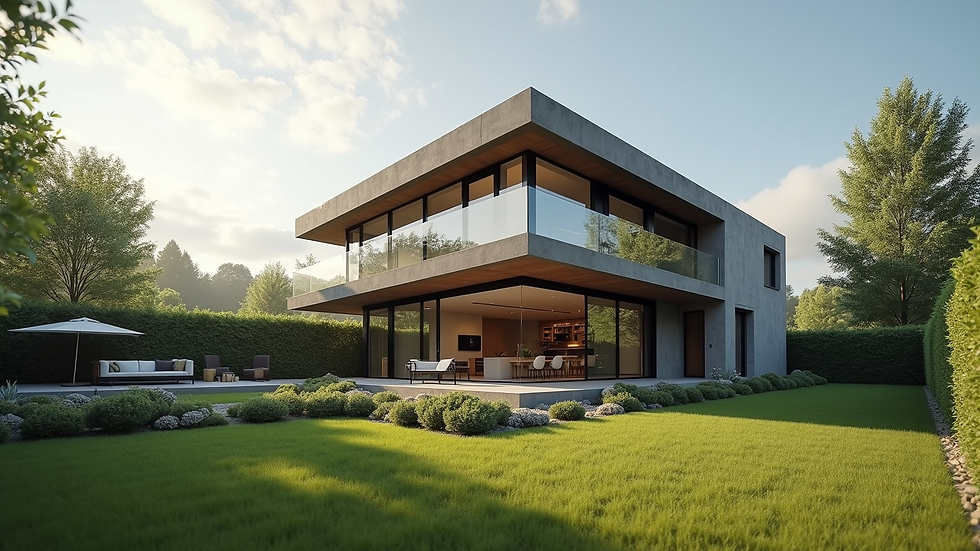
Modern Homes: Metal or flat roofs can enhance the contemporary look.
Types of Roofing Materials
Now that you have a clearer understanding of your needs, let’s explore the most popular roofing materials available.
Asphalt Shingles
Asphalt shingles are the most common roofing material in the United States. They are affordable, easy to install, and come in various colors and styles.
Pros:
Cost-effective
Variety of designs
Good durability (15-30 years lifespan)
Cons:
Less energy-efficient compared to other materials
Can be prone to wind damage
Metal Roofing
Metal roofs are gaining popularity due to their longevity and energy efficiency. They can be made from steel, aluminum, or copper.
Pros:
Extremely durable (40-70 years lifespan)
Reflects sunlight, reducing cooling costs
Environmentally friendly (often made from recycled materials)
Cons:
Higher upfront cost
Can be noisy during rain or hail
Clay and Concrete Tiles
Clay and concrete tiles offer a distinctive look and are known for their durability. They are often used in Mediterranean or Spanish-style homes.
Pros:
Long-lasting (50+ years lifespan)
Fire-resistant
Excellent insulation properties
Cons:
Heavy, requiring additional structural support
Higher installation costs
Slate
Slate roofing is a premium option known for its beauty and longevity. It is made from natural stone and can last over a century.
Pros:
Extremely durable (100+ years lifespan)
Unique, elegant appearance
Fire-resistant
Cons:
Very expensive
Requires specialized installation
Energy Efficiency and Sustainability
In today’s environmentally conscious world, energy efficiency is a significant consideration. Here are some ways roofing materials can impact your energy consumption:
Reflectivity
Materials with high reflectivity can help keep your home cooler in the summer. Metal roofs and certain types of shingles are designed to reflect sunlight.
Insulation
Good insulation can reduce heating and cooling costs. Consider materials that offer excellent thermal performance, such as clay tiles or slate.
Eco-Friendly Options
If sustainability is a priority, look for roofing materials that are recyclable or made from recycled content. Metal roofs and certain types of shingles can often be recycled at the end of their lifespan.
Installation and Maintenance
The installation process and maintenance requirements can vary significantly between roofing materials. Here’s what to consider:
Installation
Some materials, like asphalt shingles, are relatively easy to install and can be done by most roofing contractors. Others, like slate or clay tiles, require specialized skills and may take longer to install.
Maintenance
Regular maintenance is essential to prolong the life of your roof. Here are some maintenance tips based on material:
Asphalt Shingles: Inspect for missing or damaged shingles and clean gutters regularly.
Metal Roofing: Check for rust and ensure seams are sealed.
Clay Tiles: Inspect for cracks and ensure proper drainage.
Slate: Regularly check for loose tiles and clean debris.
Local Building Codes and Regulations
Before making a final decision, check local building codes and regulations. Some areas have specific requirements regarding roofing materials, especially in regions prone to severe weather. Ensure your chosen material complies with these regulations to avoid potential fines or issues during installation.
Choosing a Roofing Contractor
Selecting the right contractor is just as important as choosing the roofing material. Here are some tips for finding a reliable roofing contractor:
Get Recommendations: Ask friends, family, or neighbors for referrals.
Check Credentials: Ensure the contractor is licensed, insured, and has good reviews.
Get Multiple Quotes: Compare estimates from several contractors to ensure you’re getting a fair price.
Ask About Warranties: Inquire about warranties on both materials and workmanship.
Conclusion
Choosing the right roofing material is a significant decision that can impact your home’s value, energy efficiency, and aesthetic appeal. By considering your specific needs, understanding the various materials available, and working with a reputable contractor, you can make an informed choice that will protect your home for years to come.
Take the time to research and evaluate your options, and don’t hesitate to seek professional advice. Your roof is an investment in your home’s future, so choose wisely!


Comments